


Price A (over 0 bm): 2,59 € without VAT (=3,13 € with VAT)
Price B (over 99 bm): 2,51 € without VAT (=3,04 € with VAT)
Price C (over 199 bm): 2,47 € without VAT (=2,99 € with VAT)
Price D (over 499 bm): 2,42 € without VAT (=2,93 € with VAT)
Online calculator for immediate fence calculation
Catalog number: 5125
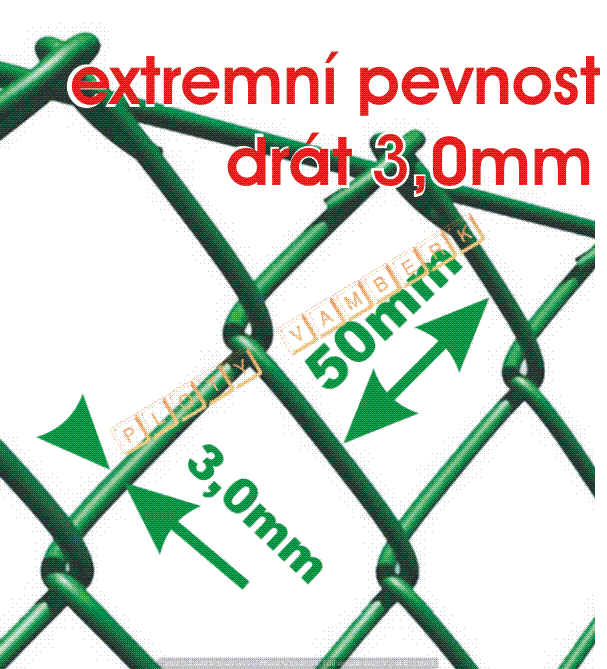

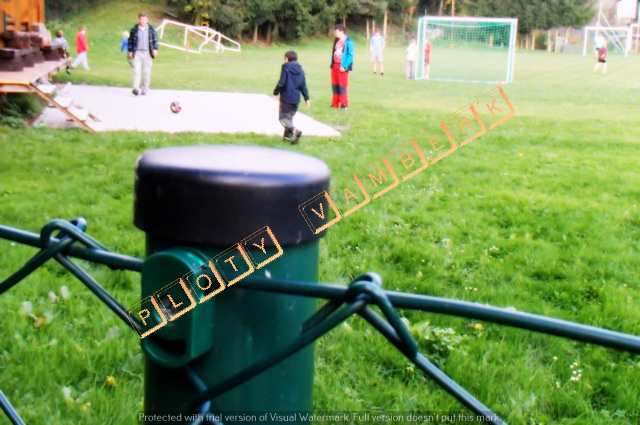
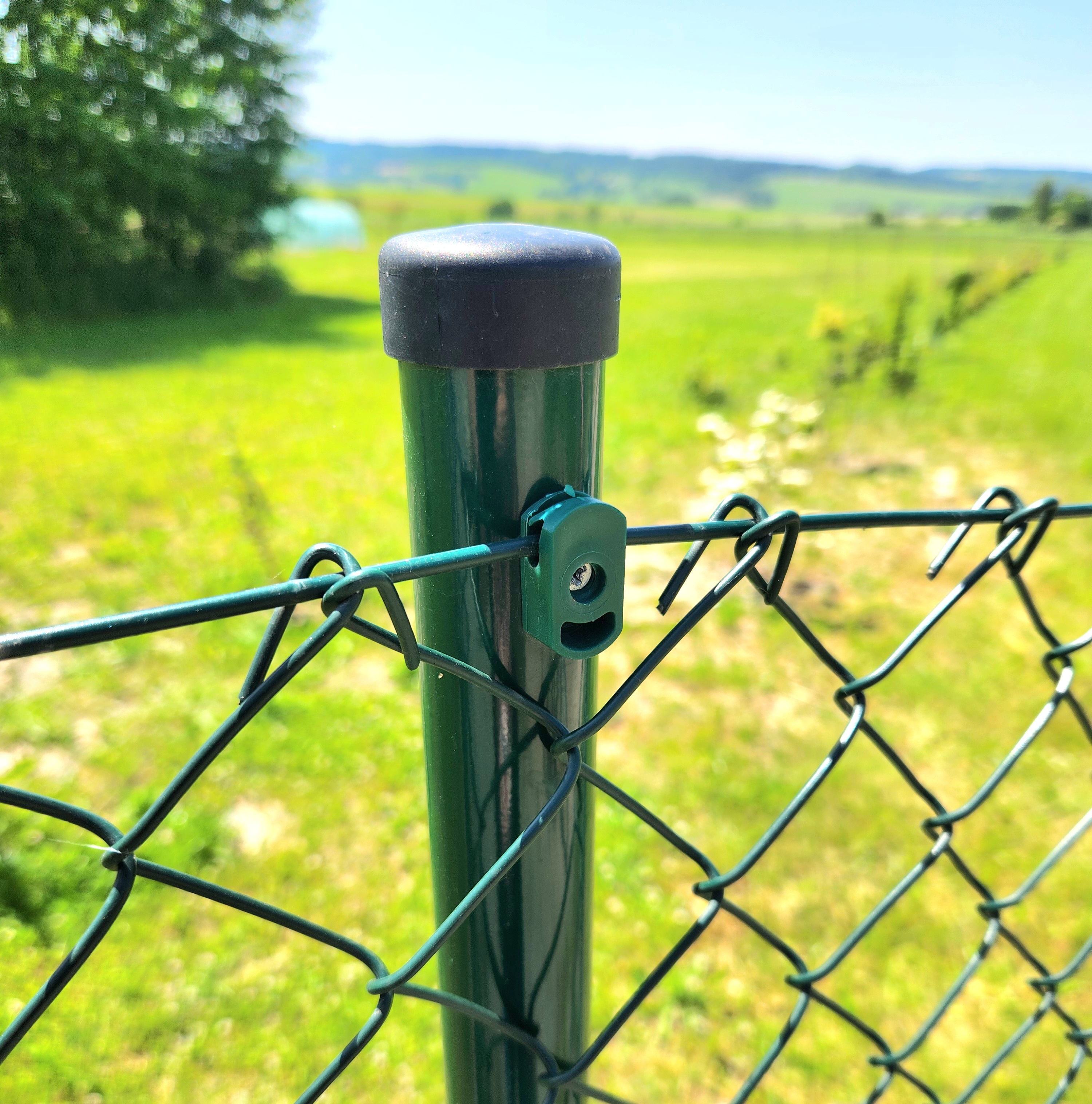
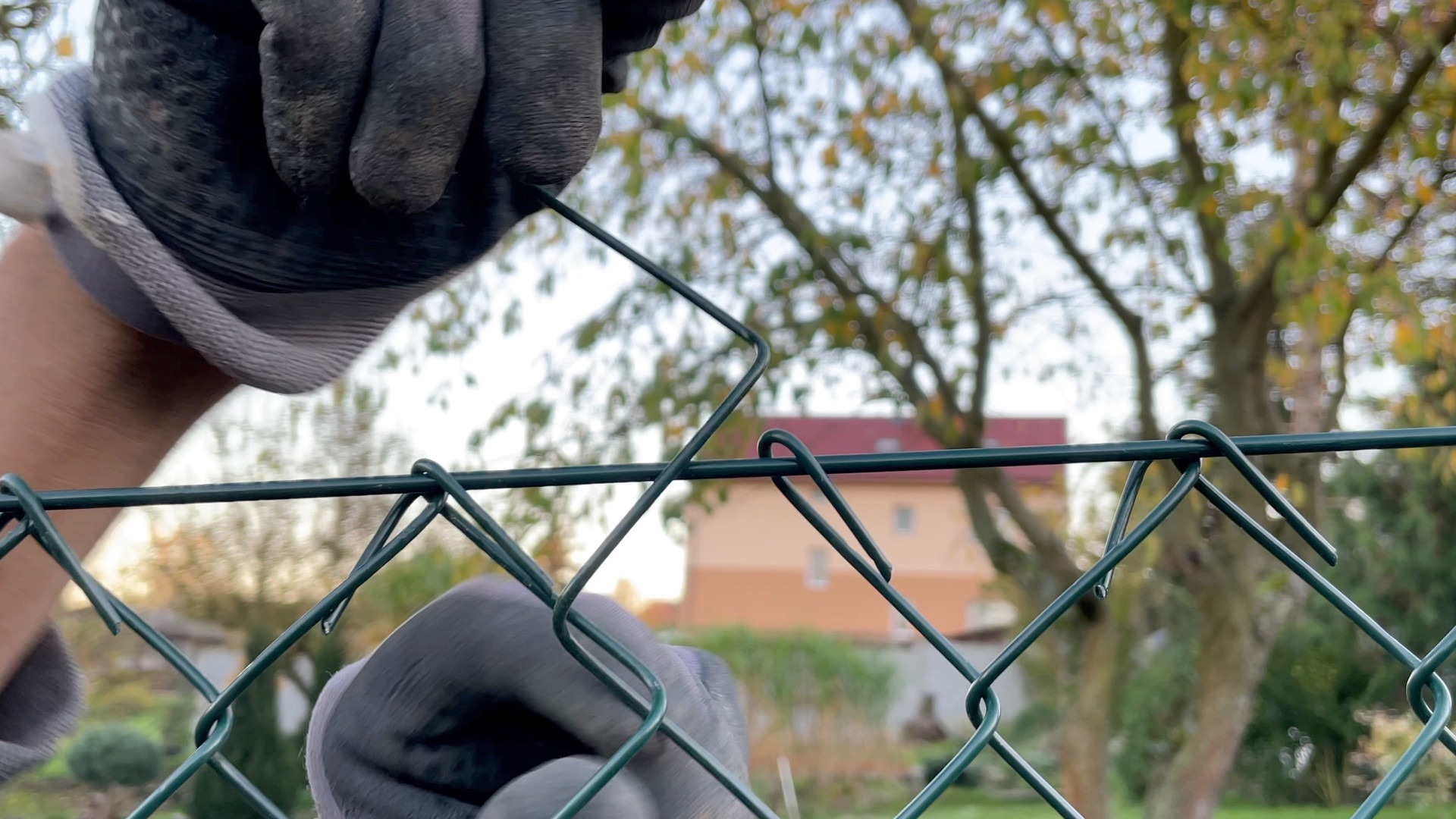
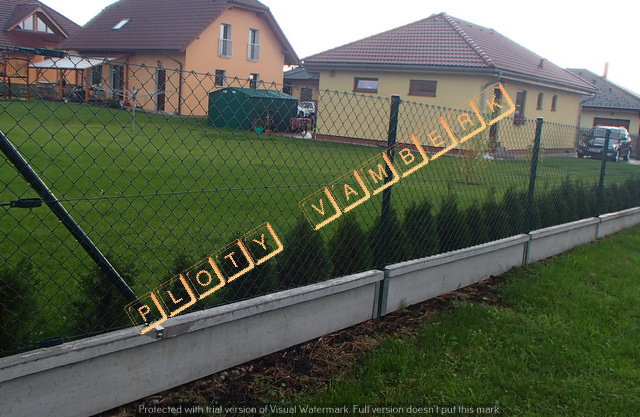
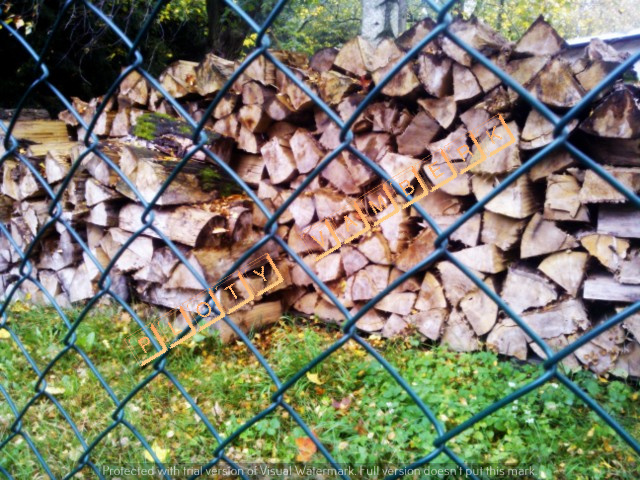

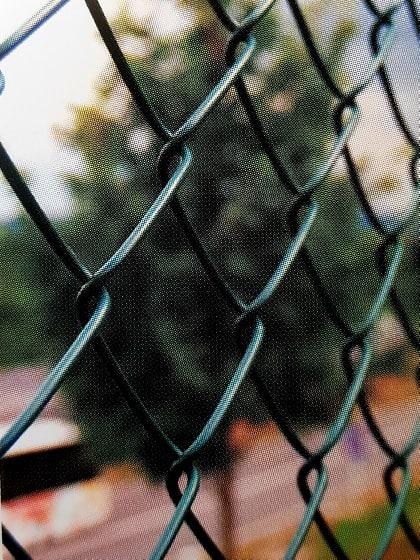
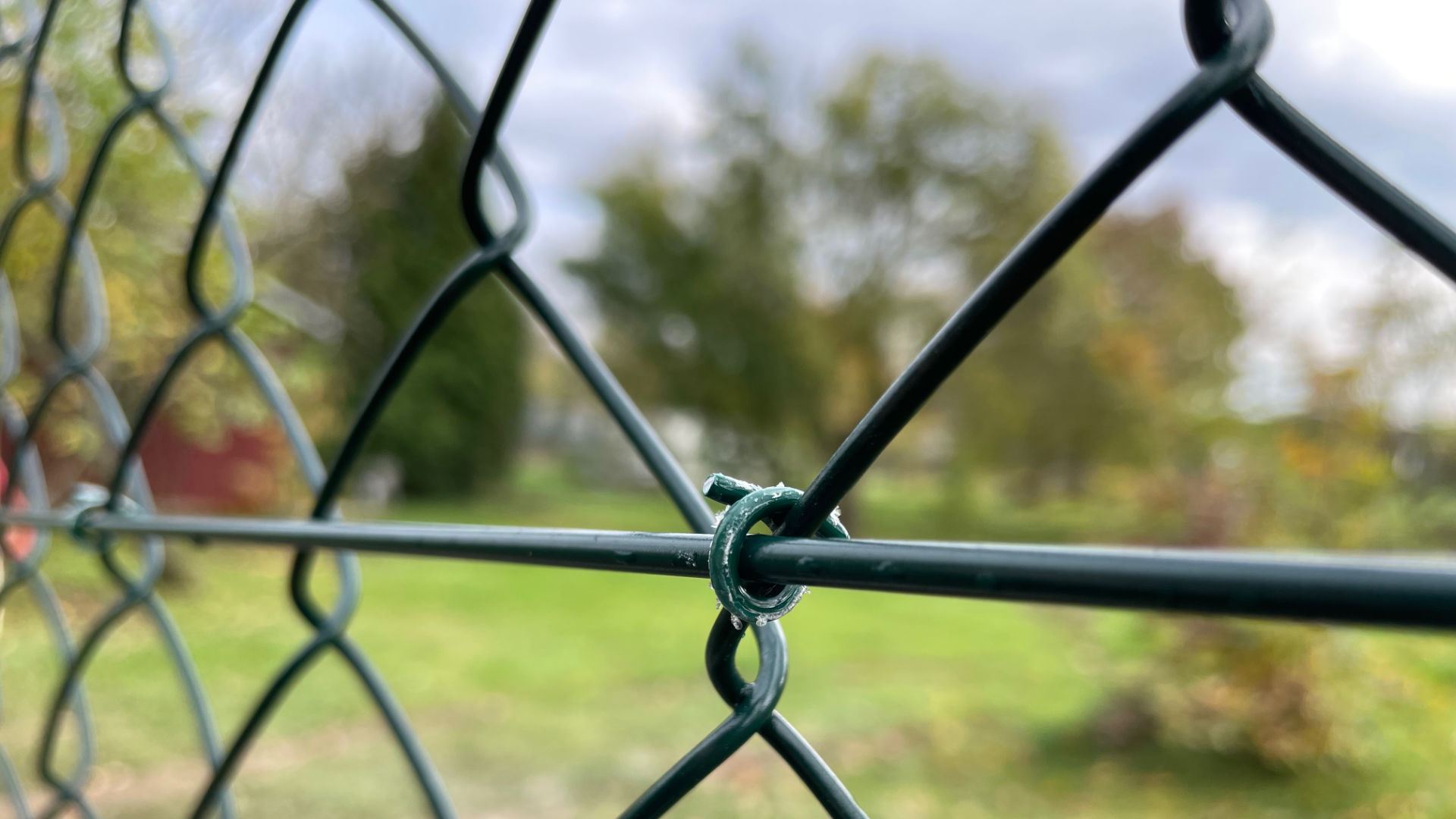
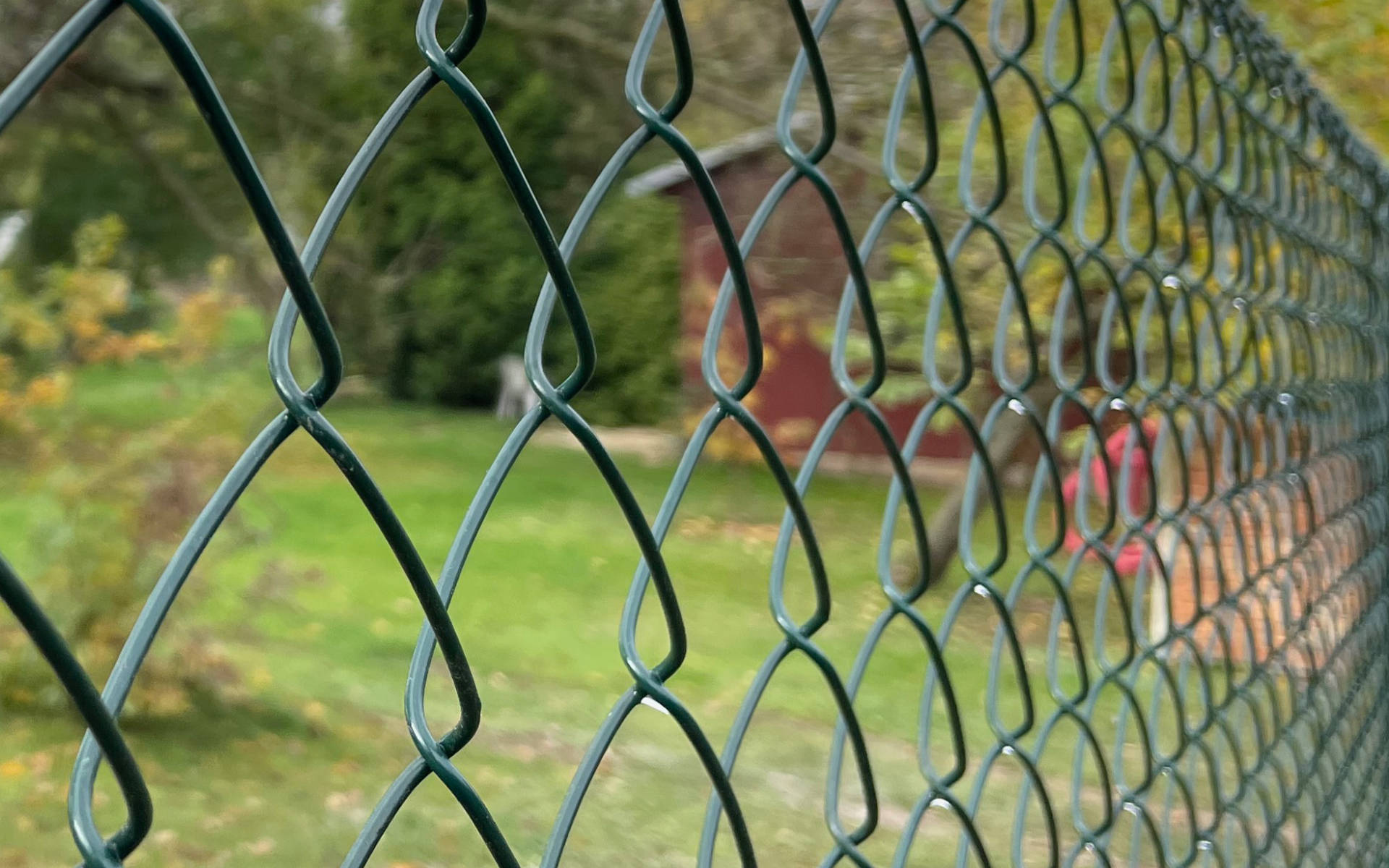
The height of the mesh is 125 cm , it is without a tangled tension wire (read the advantages of this design in the detailed product description or in the assembly instructions ), the wire incl. plastic coating has a diameter of 3.0 mm. The steel core coated with hot-dip zinc has a diameter of 2.0 mm, which makes this mesh extremely strong . Subsequently, this wire is coated with a thick layer of extruded plastic , which guarantees the best adhesion for long-term durability. The mesh has a size of 50 mm, the color of the mesh is green . The packaging is 25 m , the sale is for whole packages.
This extra strong knitted mesh stands out for its quality workmanship and 70% higher strength than conventional plastic-coated mesh, making it the best choice when you need a strong mesh for large dogs and in mountainous areas. The surface treatment ensures a lifespan of 20-30 years.
High-quality Czech mesh produced under EN ISO 9001 certification, no Slovakia, Poland, China!!!!
We can deliver this product to you for free or you can pick it up in person in Vamberk , Tymákov near Plzeň or Vsetín .
We recommend the following for installation:
tension wire in 3 times the length of the mesh + reserve 10%.
binding wire - 1 pack per 50 m of braid.
ratchets - 3 pcs for 25m mesh.
Made in the Czech Republic under EN ISO 9001 certification!!!
Installing mesh without tangling the tension wire has many advantages, including:
Assembly speed (approx. 100m/morning)
Material savings (even a 5cm length of mesh can be woven anywhere)
Simplicity (anyone can install it)
Variability (does not have to be connected in a complicated way, e.g. with wire, the mesh can be untangled anywhere)
Our tip!!!!! Calculate the price of your fence and all necessary components online at: kalkulator.e-pletivo.cz
For orders over CZK 30,000, we will lend you a free petrol drill for drilling holes for posts.
Advantage No. 1 → Mesh modularity
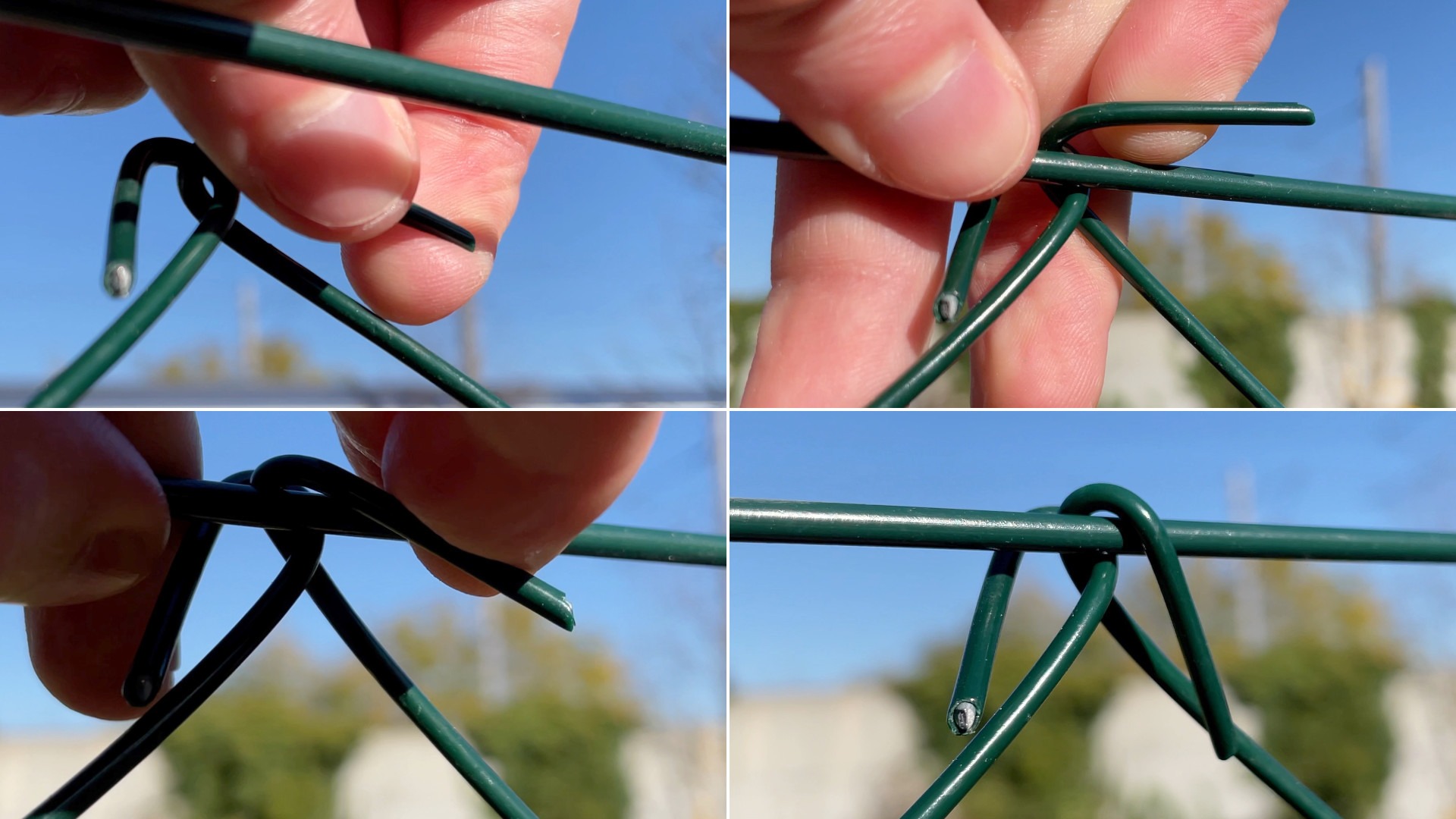
Thanks to its structure, the mesh can be disconnected at any point and terminated exactly where you need it. No cutting or slicing = no damage.
- Simply unhook the hook at the top and bottom of the mesh (always on the same wire) and then unroll the wire.
- The same procedure can be applied if you need to join two rolls of mesh together and continue fencing.
This allows you to create an endless piece of fencing from a square mesh, where you won't be able to tell that it was connected or terminated at any point (unlike welded mesh).
Advantage No. 2 → Mesh flexibility
The second positive feature of square mesh is its flexibility. Light blows to the mesh, impacts, or a dog leaning against the fence, for example, do not bother the mesh. The mesh will always return to its original shape. Unlike welded mesh, where variants with weaker wire and larger meshes risk permanent deformation.
Flexibility, or if you prefer, the malleability and adaptability of the mesh, is also an advantage if you have a fence on a slope .
Disadvantages of square mesh
Square mesh is prone to unraveling by a dog (or other animal). The good news is that this doesn't happen very often. It has to be a very active and heavy dog.
Solution to the problem?
- Add underlay boards to the fence and ideally bend the lower hooks of the mesh more (or fix them with Rocafix clips).
- Try to talk the dog out of destroying the fence.
Differences between mesh with and without tension wire
Mesh without tension wire only means that the mesh roll does not include tension wire. However, you do not have to worry that the fence with this mesh variant would be installed without tension wires and the mesh would not be reinforced with anything. A square mesh fence is always installed with tension wire, which is its main supporting element. Only in the case of the variant without tension wire, does it need to be purchased separately for the mesh.
→ Square mesh without pre-braided tension wire ✓
→ Square mesh with top and bottom tension wire already braided from the factory ✓
Differences in purchasing
If you are perceptive, you will have noticed that we only mentioned the upper and lower tension wires. The central tension wire is technically not possible to weave into the mesh during production. Therefore, even for the mesh variant with tension wire, the central wire needs to be purchased separately.
When is a central tension wire (hereinafter referred to as ND) needed and when is it not?
• 100 cm mesh height | not required
• 125 cm mesh height | should be
• 135 cm and higher mesh | must be
We definitely wouldn't miss the 125 cm variant and consider the 100 cm variant.
Price difference
As for the price, both options are about the same. The mesh without ND is a bit cheaper, but you also have to buy the aforementioned upper and lower tension wire.
Usually the difference in price is only a few crowns, at most a few dozen crowns. Therefore, if we were you, we would not make a decision based on price when choosing a variant.
The importance of the upper tension wire
In a square mesh, the upper tension wire is always the supporting element. The mesh is suspended from it. Yes, the lower and central ND are also important, but they serve more of a supporting, reinforcing element. Therefore, the upper tension wire is really the most important element of the entire fence.
Difference in assembly
We have two basic differences in assembly and two unpleasant myths associated with them.
1) Difference in working with tension wires.
2) Different ways of disconnecting and connecting the mesh.
1) Difference in assembly → different work with tension wires
Tension wire mesh (with ND)
The mesh with tension wire is installed by attaching it to the first post using tensioners (or ratchets). You unroll the mesh and then attach it to the last post and use the tensioners to turn it off.
Mesh without tension wire (without ND)
You put the mesh completely aside at the beginning of the assembly. You take a separate tension wire, install it on the posts and then turn it off. Only then do you hang the mesh on it.
Mesh installation WITHOUT entangled tension wire is faster and of better quality. Why?
1. The upper tension wire can be switched off more efficiently because it is not loaded by the mesh.
2. Assembly is faster. Wires and mesh are easier to handle.
Moreover, you can handle the assembly by one person.
Myth:
"Installing mesh without ND takes longer because you have to hang it hook by hook."
Myth busting:
Crocheting is a quick process that anyone can do. On the other hand, installing a mesh with ND can be time-consuming, precisely because of the more difficult handling and more demanding wire cutting.
WARNING! The myth probably stems from the mistaken assumption that each joint of a non-ND mesh must be disconnected, hung and reconnected. However, this is a bad practice and, in addition to taking considerably longer to assemble, the fence will also be unstable and unsightly.
The right solution? It is always hung on only one of the two hooks. You just need to open the hook slightly and hang the mesh. Nothing comes loose! 1 hook = 2 to 4 seconds
2) Difference in assembly → method of disconnecting and connecting the mesh
The second big advantage of mesh without tension wire is that it is easier to disconnect and connect.
Since it is more demanding for mesh with ND:
A) Weave the vertical wire mesh.
B) Work with already entangled tension wire.
In case of disconnection, you must cut the tension wire. In case of connecting two rolls of mesh, you must tie it somewhere.
On the other hand, mesh without tension wire does not have these problems. You already have wires installed on the posts in the required length. Mesh without tension wire can then be easily disconnected where needed or, conversely, you can connect two rolls together and prepare the required parts for the fence.
Disconnecting and connecting is easy. To disconnect, simply unhook the hook on both ends of one vertical wire and pull the wire out. To connect two rolls, proceed in a similar manner.
Moreover, the mesh without tension wire is also visually better. There is no visible interference with the mesh anywhere on the fence.
Other minor differences
Mesh with ND
• Its upper end is quite solid and sharp.
o Potential advantage: security feature.
o Potential disadvantage: someone could get hurt.
• The role of the mesh is to make it easier to untangle "standing" vertically.
We recommend that you always unroll the mesh without tension wire on flat ground. And do so very carefully. If you pull it when you shouldn't, you risk bending the mesh wires and damaging it.
Mesh without ND
• Smaller roll dimensions.
o This makes it easier to transport. You can even fit 100 meters of mesh into a car.
o It is easier to store. This is useful if you do not start assembly immediately.
Summary
You can't go wrong with either type of mesh.
Mesh with ND
Tension wire mesh may not be a bad choice if you have a plot of land with fewer straight sides. You have enough people, patience, and you measure and think everything through well.
Mesh without ND
In most cases, as we have shown, a mesh without ND is a better option.
You will install it faster, you will be able to turn off the tension wire better and you can also handle the installation by one person. Last but not least, you will be able to easily disconnect and connect the mesh at any point.


Recommended accessories
Tension wire 3.5 PVC green pack. 52 m
3.5 mm PVC tension wire is made from 2.5 mm galvanized steel wire, which is then extruded and plasticized to a final diameter of 3.5 mm. The high-quality wire serves as the supporting wire of...
price 6,52 €
without VAT for ks
(=7,89 € with VAT)
always in stock
Tension wire 3.5 PVC green pack. 78 m
3.5 mm PVC tension wire is made from 2.5 mm galvanized steel wire, which is then extruded and plasticized to a final diameter of 3.5 mm. The high-quality wire serves as the supporting wire...
price 9,75 €
without VAT for ks
(=11,80 € with VAT)
always in stock
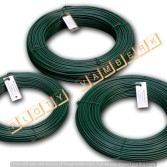
Tension wire 4.0 PVC green pack. 100 m
The tension wire in green color is made of galvanized wire with a diameter of 3 mm and then plasticized to a dia. 4 mm is mainly used as the supporting wire of 4-cornered plastic meshes....
price 15,12 €
without VAT for ks
(=18,30 € with VAT)
always in stock
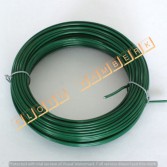
Binding wire green pack. 30 m
Binding wire 1.5/2 mm PVC in green color is made of galvanized steel wire, which is subsequently plasticized by extrusion. The wire serves as a mesh assembly wire. You can use 1 package for...
price 1,86 €
without VAT for ks
(=2,25 € with VAT)
always in stock
Tension ratchet green
Tension ratchet - STANDARD SIZE (No.2) - in green color is used for precise tensioning of guide (tension) wires of 4-cornered plastic or galvanized mesh. The assembled fence needs to be divided...

price 0,49 €
without VAT for ks
(=0,59 € with VAT)
always in stock
Column TURBOLINEA 175 cm / dia. 38 mm plastic
Post length 175 cm , made of high-quality 38 mm seam pipe with a wall thickness of 1.5 mm (ensures proper stability and durability of the fence compared to a thickness of 1.2 mm), color fir...

price 4,95 €
without VAT for ks
(=5,99 € with VAT)
always in stock
Column TURBOLINEA 200 cm / dia. 48 mm plastic coated
Post length 200 cm , made of high-quality 48 mm seam pipe with a wall thickness of 1.5 mm (ensures proper stability and durability of the fence compared to a thickness of 1.2 mm), color...

price 6,76 €
without VAT for ks
(=8,18 € with VAT)
always in stock
Garden gate 125 x 100 EYE
Attention!!! Please note that we do not produce this simpler type of gate with eye closure in stock and the delivery time is approx. 10 days. We keep in stock the more popular gate with...

price 101,14 €
without VAT for ks
(=122,38 € with VAT)
always in stock
Garden gate 125 x 100 FAB
Goal height 125cm and wing width 100cm, Only our company offers goals that have posts diameter 60mm and wall 2.5mm (competitors offer only 1.5mm, which rot much sooner) and an all-metal pocket...

price 115,13 €
without VAT for ks
(=139,31 € with VAT)
always in stock
Gate 125 x 360 OKO
Attention!!! Please note that we do not produce this simpler type of gate with eye closure in stock and the delivery time is approx. 10 days. We keep in stock the more popular version with...

203,70 € -2%
price 199,63 €
without VAT for ks
(=241,55 € with VAT)
in stock at Vamberk
Gate 125 x 360 FAB
2-wing gate , height 125cm and width of wings 180+180cm, plastic-coated with handle closure and lockable with a classic key , woven with 4-sided (classic) mesh. The width of the passage is...

price 210,35 €
without VAT for ks
(=254,52 € with VAT)
always in stock
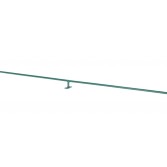
Fence bracket 125cm high
New!!! Steel console for attaching mesh to a concrete pillar, wall, wall or steel structure. The console consists of a support rod with a diameter of 12mm terminated by an upper and lower...
price 9,21 €
without VAT for ks
(=11,14 € with VAT)
always in stock